39+ großartig Bilder Left Inner Join : Rabidwolff Industries - You can link multiple on clauses.. It all depends on the data that we need. If there are records in the orders table that do not have matches in customers, these orders will not be shown! A typical join condition specifies a foreign key from one table and its associated key in the other table. This join returns all the rows of the table on the left side of the join and matching rows for the table on the right side of join. In fact, the result of left join and right join gets exchanged.
The result of inner and full join does not change, while that of left and right changes. We'll use the same inner join query and just replace the word inner with left. The answer is there are four main types of joins that exist in sql server. Specifying a logical operator (for example, = or <>,) to be used in comparing values from the columns. See the discussion of nesting in the inner join topic to see how to nest joins within other joins.
Oracle Sql Joins Tutorial For Beginners Inner Join Left Join Right Join Full Join Youtube from i.ytimg.com This means that a left join returns all the. It returns all rows from the table a as well as the unmatched rows from the table b. For instance, we can use two left joins on three tables or two inner ones. The inner join clause eliminates the rows that do not match with a row of the other table. A left outer join can usually be substituted for an inner join when the join columns in one table may contain null values. You want to get back all appearances of the phenomenon, and ignore multiple. Si no existe ninguna coincidencia para alguna de las filas de la tabla de la izquierda, de igual forma todos los resultados de la primera tabla se muestran. The left join will match rows from the t1 table with the rows from t2 table using patterns:
Inner, left, right, and full outer.
Returns records that have matching values in both tables. The result is 0 records from the right side, if there is no match. The first step in producing a left outer join of two collections is to perform an inner join by using a group join. Returns all records from the right table, and the matched records from the left table. A multiple join in which successive join operations are appended to each other. Left join returns all rows from the left table. The sql left join returns all rows from the left table, even if there are no matches in the right table. Si no existe ninguna coincidencia para alguna de las filas de la tabla de la izquierda, de igual forma todos los resultados de la primera tabla se muestran. Suppose we have two tables a and b. If you say a left inner join b it means only rows that match both a and b can result, so the query plan is free to scan b first, then use an index to do a range scan in a, and perhaps return 10 rows. Full join returns whole rows from both. The result of left join shall be the same as the result of inner join + we'll have rows, from the left table, without a pair in the right table. In contrast, a left join in sql returns all records (or rows) from the left table and only the matched records (or rows) from the right.
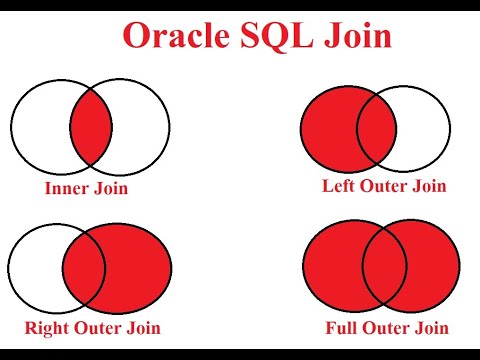
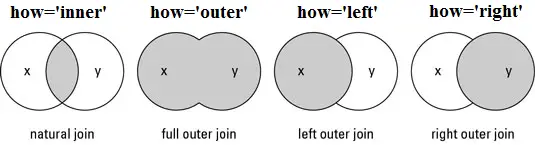
First of all, we will briefly describe them using venn diagram illustrations: The inner join keyword selects all rows from both tables as long as there is a match between the columns. Any data column that may be null (empty) should never be used as a link in an inner join, unless the intended result is to eliminate the rows with the null value. Here are the different types of the joins in sql: This means that a left join returns all the.
Join In Pandas Merge Data Frames Inner Outer Right Left Join In Pandas Python Datascience Made Simple from www.datasciencemadesimple.com Now, you move the customertype table to the from clause and the customers table to the join clause. Joins are defined by their type as well as the join clause. Suppose, you want to get list of members who have rented movies together with titles of movies rented by them. A left outer join performs an inner join of two tables (supposed table a which writes before the join keyword and table b which writes after the join keyword in the sql statement ) based on the condition specified after the on keyword. The left join, however, returns all rows from the left table whether or not there is a matching row in the right table. The default join flavor is an inner join with left side deduplication. Here are the different types of the joins in sql: A left outer join can usually be substituted for an inner join when the join columns in one table may contain null values.
Suppose we have two tables a and b.
Any data column that may be null (empty) should never be used as a link in an inner join, unless the intended result is to eliminate the rows with the null value. Si no existe ninguna coincidencia para alguna de las filas de la tabla de la izquierda, de igual forma todos los resultados de la primera tabla se muestran. The left join keyword returns all records from the left table (table1), and the matching records from the right table (table2). In contrast, a left join in sql returns all records (or rows) from the left table and only the matched records (or rows) from the right. That's why you're seeing a different number of rows in your result. Suppose, you want to get list of members who have rented movies together with titles of movies rented by them. The default join flavor is an inner join with left side deduplication. You might remember that an inner join returns only the records that are in both tables. If there are records in the orders table that do not have matches in customers, these orders will not be shown! A diferencia de un inner join, donde se busca una intersección respetada por ambas tablas, con left join damos prioridad a la tabla de la izquierda, y buscamos en la tabla derecha. Specifying a logical operator (for example, = or <>,) to be used in comparing values from the columns. A left outer join performs an inner join of two tables (supposed table a which writes before the join keyword and table b which writes after the join keyword in the sql statement ) based on the condition specified after the on keyword. Right join returns all rows from the right table.
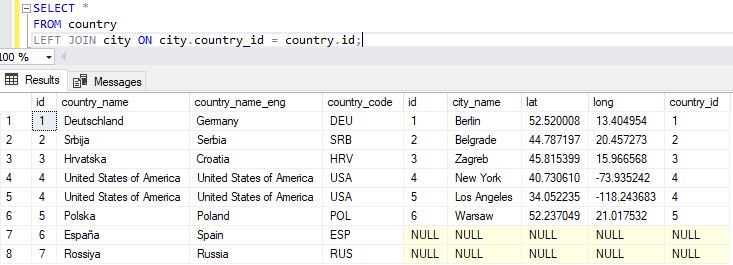
The inner join clause eliminates the rows that do not match with a row of the other table. We'll use the same inner join query and just replace the word inner with left. Returns all records from the right table, and the matched records from the left table. The result of left join shall be the same as the result of inner join + we'll have rows, from the left table, without a pair in the right table. If you say a left inner join b it means only rows that match both a and b can result, so the query plan is free to scan b first, then use an index to do a range scan in a, and perhaps return 10 rows.
Learn Sql Inner Join Vs Left Join from www.sqlshack.com The left join, however, returns all rows from the left table whether or not there is a matching row in the right table. Any data column that may be null (empty) should never be used as a link in an inner join, unless the intended result is to eliminate the rows with the null value. Inner join customers on orders.customerid = customers.customerid; The left join will match rows from the t1 table with the rows from t2 table using patterns: Right join returns all rows from the right table. Inner, left, right, and full outer. Here are the different types of the joins in sql: You can link multiple on clauses.
Inner, left, right, and full outer.
Left join returns all rows from the left table. The join will still return a row in the result, but with null in each column from the right table. First of all, we will briefly describe them using venn diagram illustrations: Specifying a logical operator (for example, = or <>,) to be used in comparing values from the columns. Any data column that may be null (empty) should never be used as a link in an inner join, unless the intended result is to eliminate the rows with the null value. Basically there are four types of joins namely, inner join, left join, right join, full outer join. That's why you're seeing a different number of rows in your result. A composite key, which is a key that consists of more than one value, enables you to correlate elements based on more than one property. See the discussion of nesting in the inner join topic to see how to nest joins within other joins. The left join keyword returns all records from the left table (table1), and the matching records from the right table (table2). A typical join condition specifies a foreign key from one table and its associated key in the other table. The result is 0 records from the right side, if there is no match. You can simply use an inner join for that, which returns rows from both tables that satisfy with given conditions.